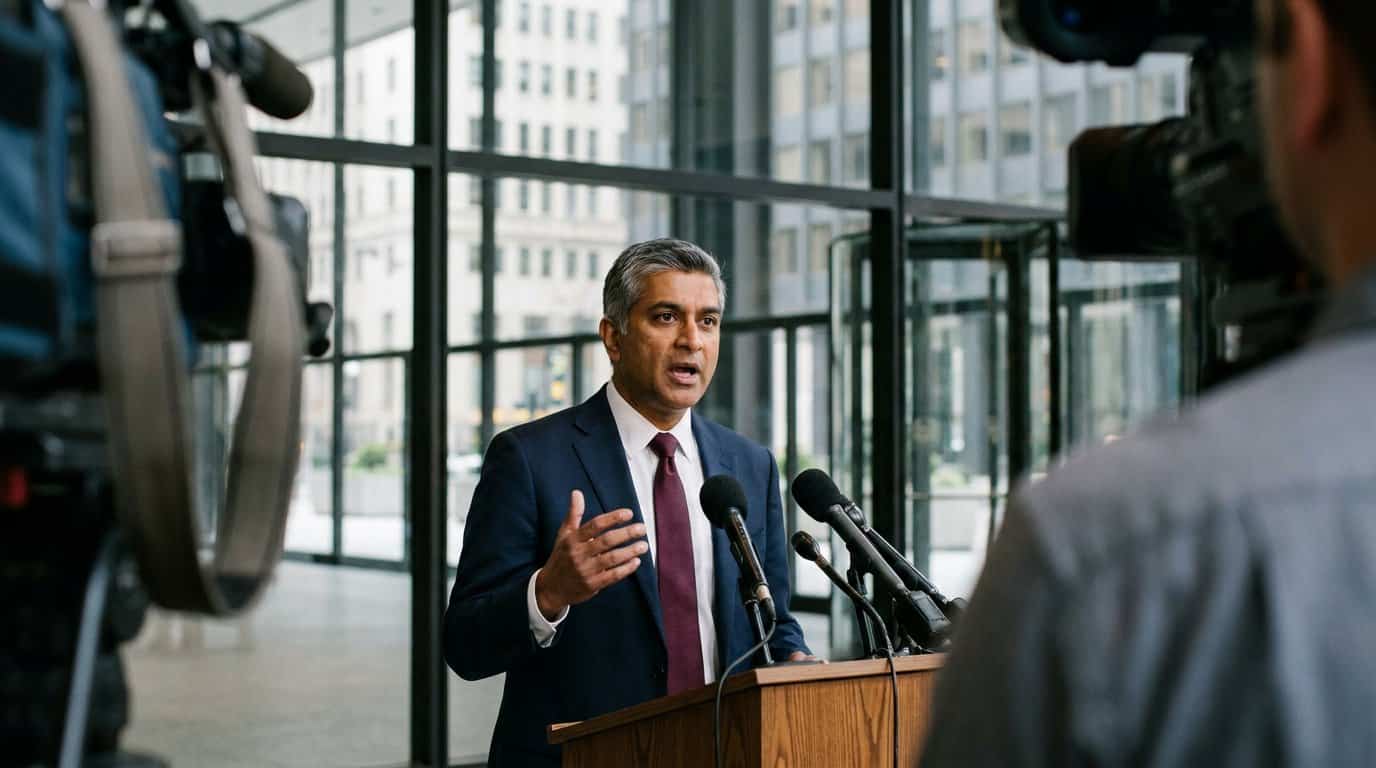
A lawyer press conference is an opportunity for your attorneys and potentially others you designate (such as your client, an expert, or individuals impacted by a case) to speak to the media at a chosen place and time, tell your story, and allow reporters to ask questions in real time.
In 2026, modern newsrooms are operating under intense resource constraints and pitch saturation. Reporters receive overwhelming amounts of outreach, meaning they will rarely leave their desks for a routine legal announcement that could have been handled over email. For high-stakes litigation, a legal press conference succeeds only when it offers what a written release cannot: live visual appeal, live Q&A, and direct access to compelling human sources alongside lead trial counsel.
Press Conference or Press Release? How to Decide
A law firm should hold a press conference only when announcing a major litigation milestone (such as a high-impact lawsuit filing or landmark verdict) that carries broad community interest, strong visual elements for broadcast television, and live access to compelling spokespeople like the plaintiff. For routine filings or cases where the client wishes to remain private, a targeted press release and individual media pitching are more effective and prevent newsroom fatigue.
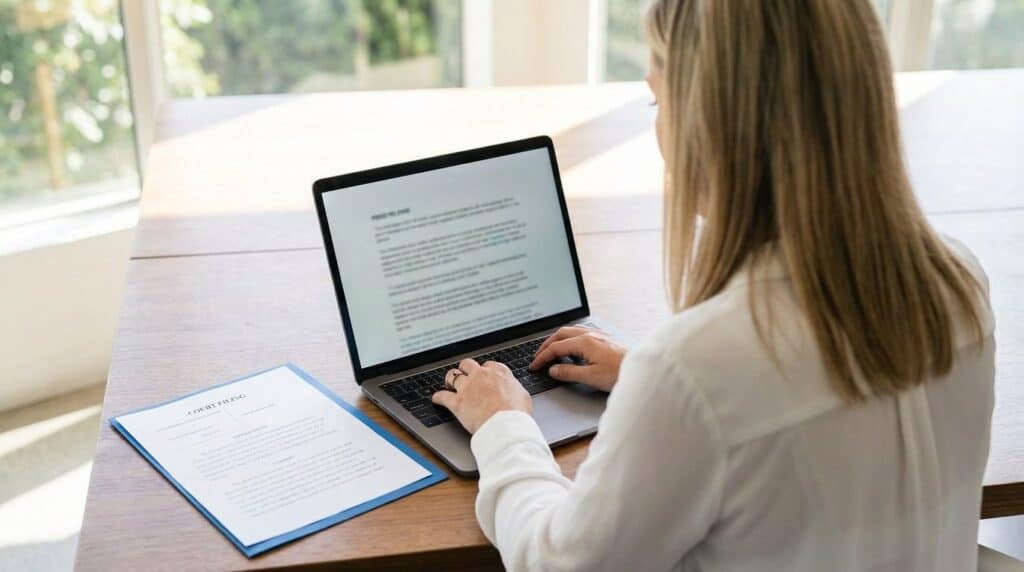
Deciding whether you hold a press conference versus using another public relations tactic is not an exact science, but one simple rule of thumb is to reserve press conferences for major news stories. If you overuse press conferences for incremental updates, the media will be less likely to show up when you do have a significant announcement.
Before going live, law firms must consider several strategic factors:
- Type of Legal Milestone: Press conferences are ideal for first-to-file lawsuits with broad public impact, landmark verdicts, or critical case turning points revealing new evidence. Press releases are better for standard settlements, motion rulings, or copycat lawsuits where other firms have already spoken on the issues and the case itself isn’t overly new or novel.
- Visual and Broadcast Value: Television journalists need compelling visuals. If your case features video exhibits, surveillance footage, physical evidence, or emotional human testimony, it is suited for a live event. Technical legal arguments are best digested in print via a press release.
- Client Consent and Ethical Guardrails: ABA Model Rule 3.6 restricts public statements that have a substantial likelihood of materially prejudicing a proceeding. The rule permits statements about information in the public record, such as the filed complaint, but attorneys should review their jurisdiction’s version and any case-specific orders before approving remarks or materials. Furthermore, if a plaintiff is unwilling to appear on camera, opting for a targeted media pitch and written statement is a much safer, highly effective alternative.
What Goes in the Media Alert vs. the Press Kit
In litigation PR, a media alert and a press kit serve two distinct stages of a lawyer press conference. The media alert is a concise one-page invitation sent 24 to 48 hours before the event detailing the who, what, when, where, why, and the newsworthy hook without giving away the full story. The press kit is the background and supporting-materials package distributed at the press conference containing the press release, relevant public filing, case timeline, attorney bios, visual exhibits, and b-roll video links.
A frequent mistake law firms make is confusing the pre-event invitation with the post-event story package.
The Pre-Event Media Alert Checklist
Identify the media contacts you would like to invite and craft your media alert. Keep it concise, with the news angle and logistics that are easy to scan:
- Newsworthy Hook: Immediately state the high-stakes conflict or landmark result in one sentence. Emphasize what new information will be shared at the event to encourage attendance.
- Who: Name the speakers and their roles, including lead trial attorneys and clients speaking publicly for the first time.
- What: State the specific legal event (announcing a filing, revealing a verdict, etc.).
- When: Provide the day of the week, date and exact start time.
- Where: Give the exact venue address, room number, parking instructions for satellite vans, and a livestream link if hybrid.
- Why: Include a few bullet points summarizing why this case matters to the broader community.
- RSVP Contact: Provide a direct name, phone number, and email address for credentialing and questions.
The Day-Of and Post-Event Press Kit Checklist
Bring plenty of printed copies of the press kit to the event and have a digital version available via a cloud link or QR code. Include:
- Press Release: The final release goes in the kit. If any materials are shared with reporters in advance, state the embargo date, time and time zone clearly.
- Relevant Public Filing: The filed complaint, judgment or order, so reporters can verify the legal claims against the public record.
- Case Timeline and Fact Sheet: A chronological, bulleted one-page overview of the incident so reporters on tight deadlines can grasp complex facts instantly.
- Supporting Materials: Include attorney bios, spelling guides for names and titles, and high-resolution visual exhibits or photos.
- Video and B-Roll Links: Provide links to videos or audio that media can access after the event, allowing broadcast stations that could not attend to still run the story.
How to Plan and Run the Press Conference
When practical, the optimal time to host a lawyer press conference is Tuesday through Thursday between 10:00 a.m. and 11:00 a.m. on the exact day a lawsuit is filed or a verdict is announced, giving broadcast crews enough time to travel outside rush hour and edit segments for the evening news. If the filing or verdict lands on a Monday or Friday, timeliness usually outweighs the ideal weekday. To keep the program tight, firms should cap speakers at four, appoint a dedicated moderator, and ensure attorneys handle the bulk of reporter questions during Q&A.
Phase 1: Pre-Conference Planning
- Select the Optimal Date and Time: As part of your press conference planning checklist, coordinate the event for the exact day the lawsuit is filed. Avoid Mondays, Fridays, or days close to holidays when possible to make it easier for media to attend. Mid-morning timing prevents media from battling rush hour traffic and fits afternoon television production deadlines.
- Secure a Venue: Hotel banquet rooms are excellent because they coordinate your audio and visual needs while providing a controlled environment. Alternatively, you can select a site with visual interest, like courthouse steps. Keep in mind that outdoor locations often require municipal permits and come with background noise risks like traffic and passersby.
- Confirm Equipment and Capture B-Roll: Depending on your location, you may need to rent a microphone, podium, backdrop, and multi-box audio splitters. Hire a professional videographer when the footage will support follow-up coverage. Sending this footage to media who could not attend increases your chances of news coverage.
- Determine Speakers and Conduct Media Training: Keep the number of speakers to a minimum. Have one designated moderator open the event, introduce the issues, turn it over for questions, and conclude. All spokespeople should undergo rigorous media training. It is critical to limit unscripted questions to the attorneys rather than clients, as clients might make inadvertent statements that compromise the litigation strategy.
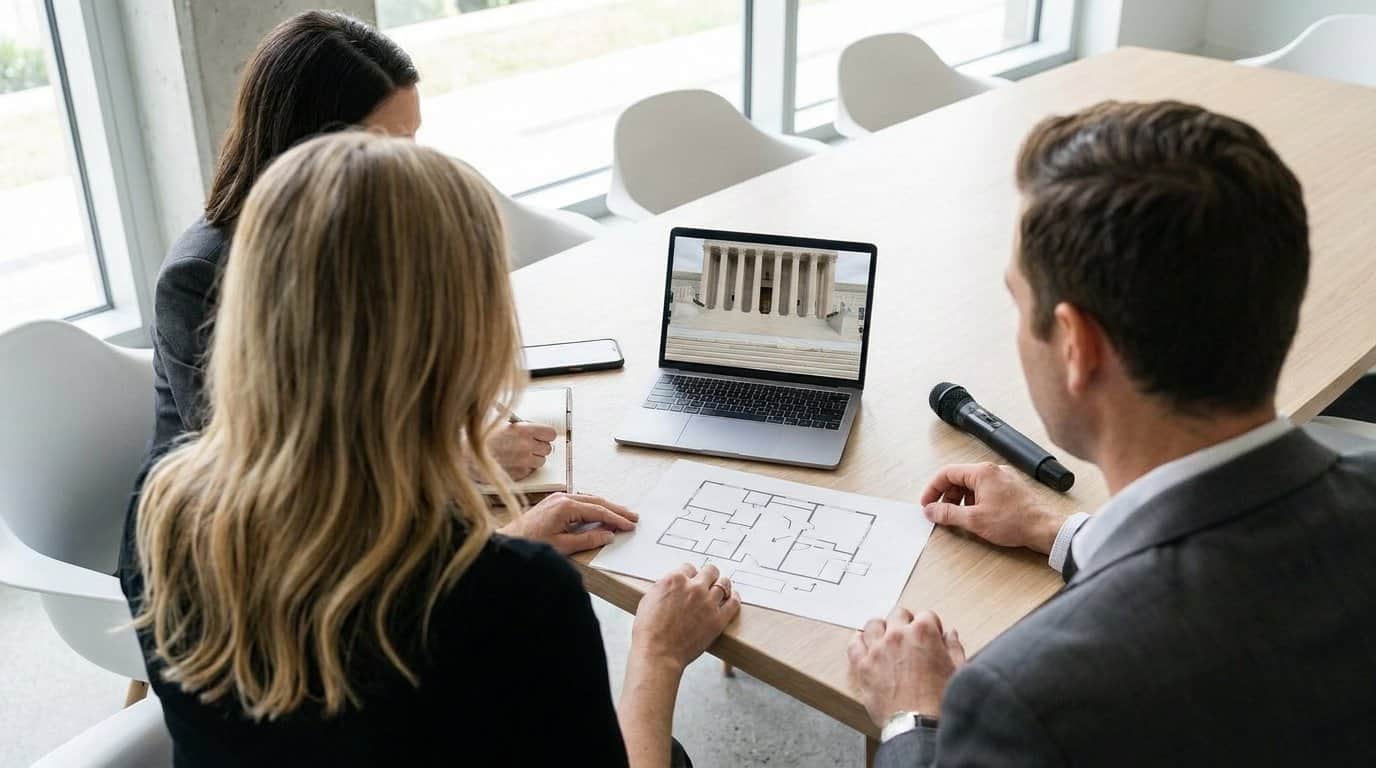
Phase 2: Day of the Press Conference
- Get There Early: Arriving at least 90 minutes early, longer if AV is complex, is critical. Test the equipment, ensure the room is set up properly with clear sightlines for cameras, and place your visual exhibits on easels.
- Greet the Press: Once reporters start arriving, it gets hectic. Have media sign in at a designated table with all their contact information, hand each a press kit, and help camera operators with logistics.
- Start the Program: Always aim to start on time. News crews have short windows. The moderator makes introductions, each speaker delivers brief remarks, and then the floor opens for media questions.
- Wrap Up: Thank the press for attending. If appropriate, encourage reporters to stay for brief informal conversations or one-on-one interviews with the lead attorneys. Escort any vulnerable clients out quickly to avoid undue pressure from the media.
Phase 3: Post-Press Conference Follow-up
- Distribute Your Press Release: Send the full press release, digital press kit and recorded video links to the attendees and to all reporters who were unable to make it in person.
- Follow Up with Media: Send personalized emails thanking attendees and checking if they need additional information before their deadlines. Repurpose the resulting media placements and video highlights on your firm’s website and social media channels.
Consider Working with Legal Press Conference Experts
Coordinating a live media event is a resource-intensive undertaking. If your law firm lacks an experienced in-house team to execute these logistics, a specialized litigation PR team can manage the planning, messaging, media outreach and event logistics. PR experts develop messaging aligned with trial objectives, leverage established reporter relationships, coach the press conference participants and handle all event logistics such as venue booking.
With more than 30 years of experience, Berbay Marketing & PR has a demonstrated history of facilitating high-profile litigation events that shape public narratives. For example, when representing a top Los Angeles plaintiff’s firm in a wrongful death verdict, Berbay organized a press conference featuring both the trial attorneys and the victim’s family. By building a comprehensive audio and visual press kit and conducting focused media training, the event secured feature broadcast segments on ABC7, KTLA and KCAL, print coverage in the Los Angeles Times, among many other placements.
A well-planned press conference gives reporters timely access to a significant legal development while keeping communications aligned with the case strategy. Berbay helps law firms decide when a live event is warranted and coordinates the messaging, preparation and media outreach it requires.